Crazy Cat Baby Embroidery Design Review
A First Look at the Crazy Cat Baby Design
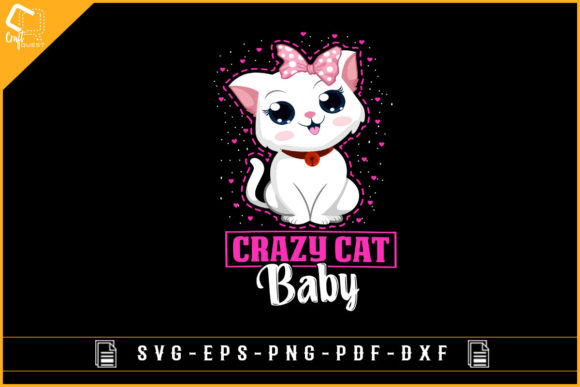
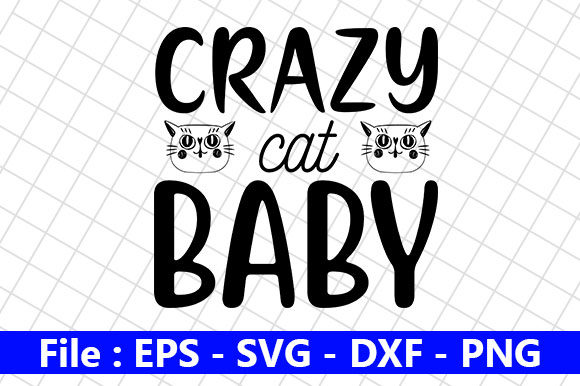
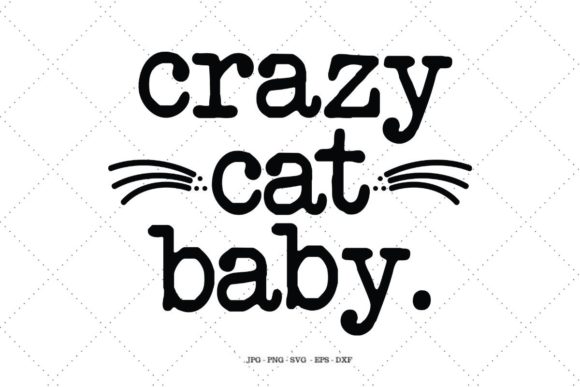
As a designer who’s stitched countless machine embroidery projects, I always start with a visual scan—what does the design say before the needle even touches fabric? The Crazy Cat Baby embroidery design immediately brings a playful and whimsical mood to the table. It's not just a cat; it's a charming little creature with exaggerated features that scream personality. The layout is balanced, with enough detail to be engaging without feeling cluttered.
The shape of the cat is well-proportioned, making it versatile for various embroidery applications. Its round eyes and wide grin give it an approachable feel, which makes it ideal for baby items or personalized gifts. The overall theme leans toward cute and fun, so this design naturally belongs in projects like nursery decor, children's clothing, or holiday-themed merchandise.
Real-Life Use: Custom Embroidered Tote Bag
Let me imagine using Crazy Cat Baby on a custom embroidered tote bag. This would be a popular item for small shop owners or Etsy sellers looking to add a touch of charm to their product line. The design’s size and complexity suggest it would work best on medium to large hoop sizes, allowing for clear stitching and detail visibility.
I can see this design standing out on a canvas tote or a cotton tote bag. The contrast between the cat’s features and the background fabric will play a big role in how it looks. If the fabric is light-colored, the design will pop nicely. On darker fabrics, I’d recommend testing thread color options to ensure visibility and vibrancy.
For a project like this, I'd also consider the stitch density. While the design isn't overly dense, it has areas that require careful attention to avoid puckering or distortion. Using the right stabilizer and proper hoop tension will be key to achieving a professional finish.
Where to Use with Caution
While Crazy Cat Baby is a delightful design, there are certain situations where it might need extra care. For instance, if you're embroidering on thin or stretchy fabrics, such as lightweight t-shirts or stretchy sweatshirts, the design could lose its crispness unless supported by a good stabilizer.
Similarly, using this design on curved surfaces like caps or hats may challenge the hoop setup. You'll need to adjust the placement carefully to maintain the cat’s proportions. Small hoop sizes might also be tricky since the design has some detailed elements that could get lost in scale.
If you're planning to use this on layered garments or products that require frequent washing, I’d advise checking the durability of the stitches and thread type. A satin stitch or fill stitch might hold up better than a running stitch in these cases.
Visual Appeal and Customer Impact
One of the most important aspects of any embroidery design is its visual appeal. Crazy Cat Baby scores high in this area. The character is instantly recognizable and has a friendly vibe that can attract a wide audience. Whether it's used for a handmade product or a commercial embroidery project, this design adds value and charm.
From a customer perspective, this kind of design can increase engagement and trust. People love personalized items, and seeing a cute cat on a gift or accessory can make all the difference. For craft businesses or Etsy sellers, this design could easily become a bestseller, especially around holidays or pet-related events.
It also contributes to brand consistency when used across multiple products. Imagine a line of baby clothes, aprons, or pillow covers all featuring Crazy Cat Baby. It creates a cohesive look that customers can recognize and appreciate.
Practical Embroidery Designer Notes
Before jumping into production, I always recommend testing the Crazy Cat Baby design on scrap fabric first. This allows you to see how the stitches lay down and whether any adjustments are needed. Check the thread color contrast against your chosen fabric—this will affect the final appearance significantly.
Review the stitch density and make sure the design works within your machine's capabilities. Confirm the hoop size required and inspect small details to ensure they translate well to fabric. Testing in black and white mockups can help identify potential issues with visibility on different backgrounds.
Don’t forget to use the proper stabilizer for your fabric type, and always compare the design on both light and dark fabric backgrounds. Finally, check whether the Crazy Cat Baby file is suitable for both personal and commercial use and confirm licensing terms before selling finished items or digital products.
Whether you're a hobbyist or a seasoned craft business owner, Crazy Cat Baby offers a fun and versatile option for your next embroidery project. With thoughtful preparation and a few practical considerations, it can elevate your handmade products and bring a smile to your customers’ faces.